Your tennis strings may look fine, but that does not mean they are still performing the way they should.
Many players keep using the same strings long after they have lost their feel, control, and comfort. The result is often shots flying long, reduced spin, and sometimes even arm discomfort.
If your racket feels “off” but you are not sure why, your strings may be the reason.

Why Tennis Strings Go Dead
Tennis strings lose their performance over time, even if they do not break.
Every time you hit a ball:
- the strings stretch
- tension drops
- the string bed becomes less responsive
Over time, this leads to:
- less control
- less feel
- reduced spin
- a “dead” or dull sensation at contact
This happens faster with some strings than others, especially polyester.
5 Signs Your Tennis Strings Are Dead
1. Your Shots Start Flying Long
If balls that used to land in are now consistently going long, your strings may have lost tension and control.
2. Your Racket Feels Dull or Lifeless
A fresh string bed feels crisp and responsive. Dead strings often feel muted and disconnected.
3. Strings Are Not Snapping Back
After you hit, your strings should move and return to position. If they stay out of place, performance is likely declining.
4. You Notice Less Spin
If your topspin feels weaker or your shots are not dipping like they used to, worn strings could be the cause.
5. Your Arm Feels More Fatigued
Dead strings can feel harsher and less forgiving, which may lead to discomfort over time.
How Long Do Tennis Strings Last?
This depends on how often you play and the type of string.
General guideline:
A simple rule is:
Restring as many times per year as you play per week
Examples:
- Play 2 times per week → restring about 2 times per year
- Play 3 times per week → restring about 3 times per year
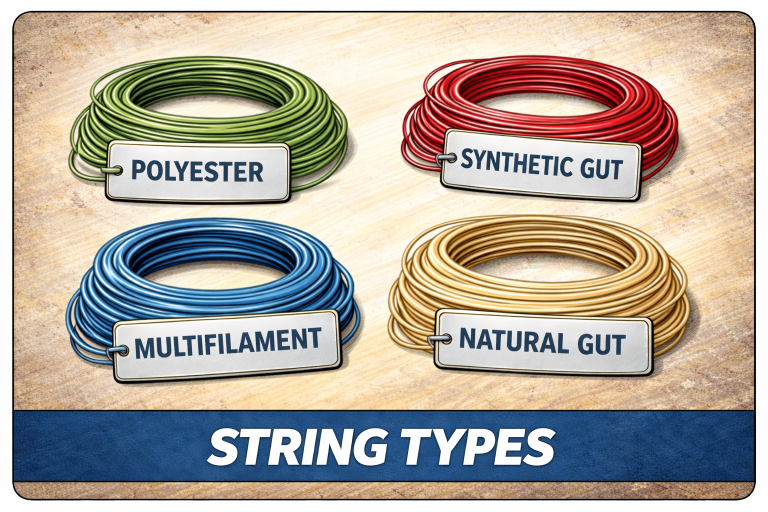
Polyester strings
- Lose performance quickly
- May feel dead in just a few weeks for frequent players
Multifilament and synthetic gut
- Hold playability longer
- Still degrade over time even if they do not break
Natural gut
- Holds performance very well
- Still eventually loses tension and feel
Why Many Players Wait Too Long
Most players only restring when strings break.
The problem is:
- strings can be “dead” long before they snap
- performance declines gradually, so it is hard to notice at first
- players often adjust their swing instead of fixing the setup
This leads to frustration, inconsistency, and sometimes unnecessary changes in technique.
What Happens When You Play With Dead Strings
Using worn-out strings can affect your game more than you realize.
You may experience:
- inconsistent control
- unpredictable ball response
- reduced confidence in your shots
- more effort required to generate spin or power
In some cases, players begin changing their mechanics to compensate, which can create bad habits.
What You Should Do Instead
If you suspect your strings are no longer performing well:
Step 1: Replace them
A fresh string job can make your racket feel completely different.
Step 2: Pay attention to feel
Notice:
- comfort
- control
- how the ball responds
Step 3: Track how long they last
This helps you understand your personal restringing schedule.
Choosing Your Next String Setup
If your strings feel dead, it is also a good opportunity to reassess your setup.
Ask yourself:
- Do I want more comfort?
- Do I need more control?
- Do I want more durability?
Simple guidance:
- more comfort → try multifilament
- more control → consider polyester
- balanced setup → synthetic gut
- comfort + performance → hybrid setup
A Simple Tip Most Players Miss
You do not need to wait for strings to break.
Replacing strings before they are completely worn out can:
- improve consistency
- make tennis more enjoyable
- reduce frustration
- help prevent unnecessary strain on your arm
Final Thoughts
Tennis strings are one of the most overlooked parts of a player’s setup.
They quietly lose performance over time, and many players do not realize how much it affects their game until they try a fresh set again.
If your racket does not feel right, there is a good chance your strings are no longer performing the way they should.
A simple restring can bring your racket—and your confidence—back to life.
Quick Recap
- strings lose performance even if they do not break
- common signs include loss of control, dull feel, and less spin
- polyester loses playability faster than other types
- most players wait too long to restring
- a fresh string job can significantly improve your game
FAQ
How do I know if my tennis strings are dead?
Look for signs like loss of control, strings not snapping back, and a dull feel.
Do I need to restring if my strings are not broken?
Yes. Strings lose tension and performance over time even if they look fine.
How often should I restring my racket?
A general rule is as many times per year as you play per week.
Which strings last the longest?
Polyester is durable but loses playability quickly. Thicker gauges also last longer.